


Wearable technology is becoming a natural part of daily life, making tasks easier and more efficient. Fitness trackers monitor health, smartwatches keep people connected, and built-in safety features like fall detection provide extra protection. These devices give real-time updates, helping people stay on top of health goals, productivity, and personal security.
As wearable technology advances, it blends more smoothly into everyday routines, improving how people work, move, and communicate. Kiddie Chronicle explores how these smart devices are shaping modern life.
What Are Wearable Devices?
Wearable devices are electronic gadgets worn on or inside the body. They provide a mix of comfort and convenience, giving users quick access to data and smart features while keeping their hands free. From counting steps to monitoring heart rates, these devices have become an everyday necessity.
Types of Wearable Devices
Wearables fall into two categories: external and implanted devices, each serving different purposes.
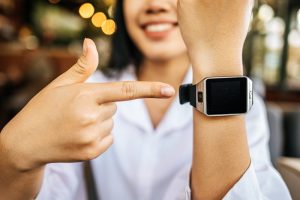 External wearables: This includes smartwatches, fitness trackers, smart glasses, and smart rings. These gadgets track activity, display notifications, and even control smart home devices.
- Implanted wearables: These medical devices, such as pacemakers and continuous glucose monitors (CGMs), help people manage their health with real-time tracking and automatic adjustments.
Smartwatches: More Than Just a Watch
Smartwatches are among the most popular wearables today, with brands like Apple, Samsung, and Garmin adding more functions every year.
- Health tracking: Smartwatches track heart rate, oxygen levels, ECGs, and stress levels, providing a full picture of personal health.
- Workout assistance: They help users track steps, calories, and workout intensity to stay active.
- Smart notifications: Calls, messages, and app alerts are just a wrist tap away.
- Safety features: Fall detection, emergency SOS, and GPS tracking give users extra security, especially for seniors and those with medical conditions.
Fitness Trackers: Helping People Stay Active
Devices like Fitbit, Whoop, and Garmin changed the way people track fitness.
They help users:
- Monitor daily activity levels, including steps, distance, and calories burned.
- Track sleep patterns to improve rest.
- Set workout goals and receive reminders to stay active.
- Sync with health apps for deeper performance tracking.
Many fitness trackers also keep track of heart rate and stress levels, making them useful for both physical and mental well-being.
Wearable Health Technology: A Step Forward for Medical Monitoring
Wearables have transformed healthcare by allowing constant tracking of health data, helping detect health issues early.
Medical Wearables in Action
- Pacemakers: Implanted devices regulate heartbeats and improve heart health.
 Continuous Glucose Monitors (CGMs): These devices track blood sugar levels in real time, helping people with diabetes manage their condition.
- ECG-enabled wearables: Smartwatches with electrocardiogram (ECG) sensors help users monitor heart rhythms and detect irregularities.
- Smart hearing aids: Modern hearing aids adjust sound settings automatically to reduce background noise and improve speech clarity.
With AI-powered features, medical wearables help doctors and patients detect health concerns sooner, leading to better treatment results and fewer hospital visits.
How Wearables Improve Daily Life
Beyond health tracking, wearable devices help users manage time and tasks more efficiently. Smartwatches, smart rings, and AR glasses provide quick access to information and control over daily activities.
- Smartwatches give quick updates on schedules, weather, and messages.
- Smart rings allow users to control devices like lights, music, and alarms with simple gestures.
- AR glasses display information hands-free, useful in medicine, engineering, and logistics.
Wearables keep users organized by making communication, productivity, and task management faster and easier.
Wearables and Safety: More Than Just Convenience
Safety-focused wearables bring peace of mind with GPS tracking, emergency alerts, and biometric security features.
- GPS-enabled devices help parents track their children’s locations during outdoor activities.
- Fall detection and SOS functions send automatic alerts during emergencies.
- Smart helmets for biking and construction track impacts, fatigue, and environmental hazards to prevent injuries.
With ongoing improvements, wearables are making personal security, workplace safety, and emergency response more reliable.
Health and Wellness Are Getting Smarter
Wearables are changing the way people stay healthy, work efficiently, and keep themselves safe. Their ability to provide real-time updates, encourage better habits, and improve daily efficiency makes them a valuable tool in modern life.
 For fitness: They help track workouts, measure progress, and set personal goals.
- For health: They assist in early detection, remote patient monitoring, and long-term condition management.
- For safety: Features like fall detection, SOS alerts, and GPS tracking provide an extra layer of protection.
- For productivity: Quick notifications and hands-free functions make it easier to manage tasks.
The Future of Wearable Technology
Wearables are advancing quickly, bringing new possibilities for healthcare, communication, and everyday life. Whether you want to improve fitness, monitor health, or stay connected, there’s a device that fits your needs.
Stay up to date with the latest wearable technology trends at Kiddie Chronicle, where we bring you insights on how smart gadgets are shaping the future.
