

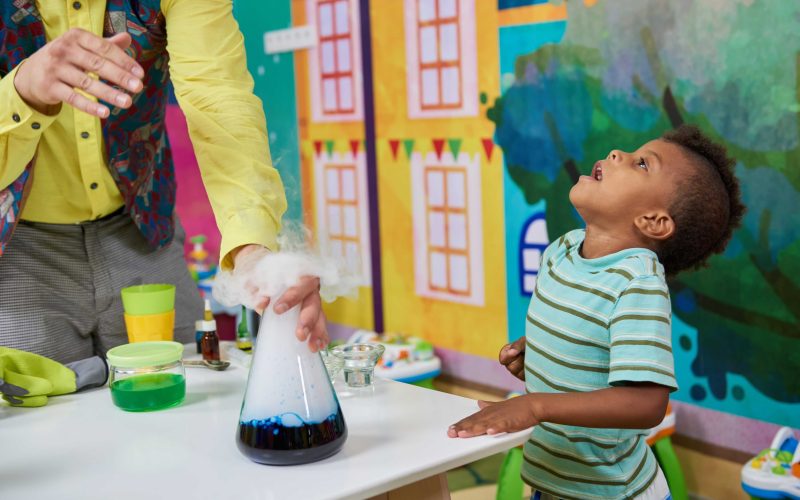
Chemistry is all around us, shaping the world in fascinating ways—from the bubbles in your soda to the colors of a rainbow. For kids, exploring chemistry can be a fun and magical experience that sparks curiosity and a love for science.
In this blog, we’ll dive into simple, safe, and exciting experiments you can do at home with your little scientists. These hands-on activities will not only entertain but also teach valuable lessons about the wonders of chemistry in everyday life. Let’s get started on this journey of discovery!
What is Chemistry?
Chemistry is the science of material composition and change. It explains how materials interact in everyday tasks such as cooking and cleaning. For example, chemical reactions in cooking convert components into meals, while cleaning products degrade filth.
Chemistry is built on atoms, which combine to form molecules. These molecules can react and form new substances; for example, when vinegar and baking soda mix together, bubbles form. Matter exists in the solid, liquid, and gaseous states. Water exhibits this because it is solid, water is liquid, and steam is gas. Physical changes, such as melting ice, can also be chemical, such as the reaction between vinegar and baking soda.
Chemistry creates inquisitiveness and creativity among children. Such experiments as slime making or crystal growing illustrate how chemistry forms the world and might inspire careers in science and STEM.
Preparing for Experiments
Begin with a list of everything you’ll need, such as baking soda, vinegar, or food coloring. Having things ready ahead of time helps to avoid interruptions. Kits for bigger projects can streamline things. Reading the instructions beforehand also helps kids be prepared for what is about to happen and stay focused.
Essential Safety Guidelines
Always monitor children throughout experiments, and make sure they wear splash-proof goggles and gloves while working with chemicals or splatter-causing items. Safety is a primary issue for everyone engaged.
Gathering Necessary Materials
- Make a checklist of all the ingredients that have to be taken, including baking soda, vinegar, or food coloring.
- Prepare things ahead of time to avoid interruptions.
- Always be observant of children when working with chemicals and ensure that goggles and gloves are worn.
Choosing the Right Location
Choose a well-ventilated space for experiments, especially those that release fumes. Use tables or countertops for easy cleanup, and protect surfaces with newspapers or plastic sheets. Keep cleaning supplies nearby to handle any spills. Having a dedicated science area helps keep things organized and ready for learning.
Simple Chemical Reactions
The core of chemistry is chemical reactions. Children can learn basic chemistry in an enjoyable way through practical activities that show how substances change when combined.
-
Create Milk Art
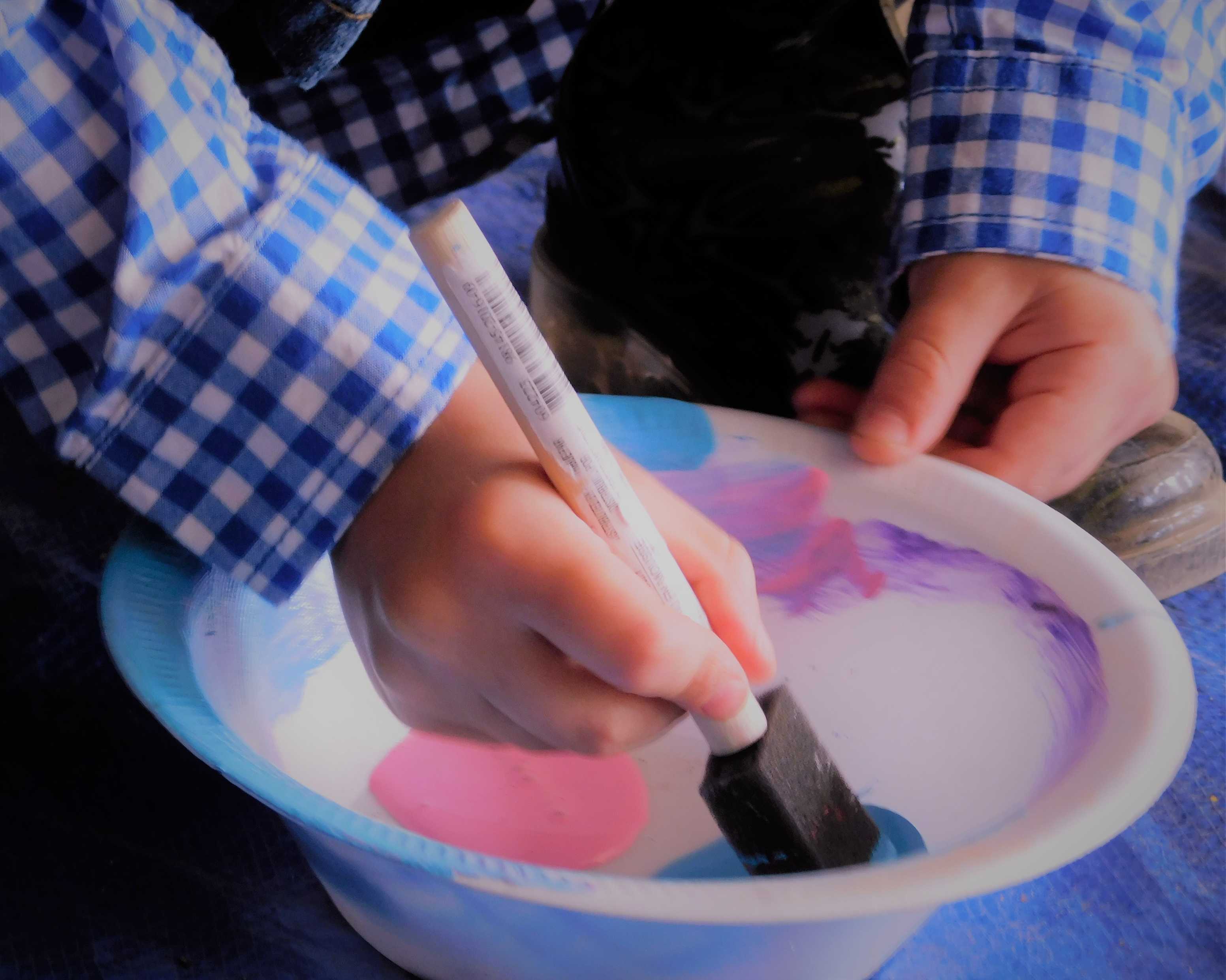 Fill a shallow dish with milk, add food coloring, and a drop of dish soap. Watch as the soap breaks down the milk’s fat, making the colors swirl and create beautiful patterns.
 -
Build a Citrus Battery
Insert metal electrodes into a citrus fruit. The acids in the fruit react with the metal, producing electricity. Try different fruits to see which one generates the most power.
-
Make Elephant Toothpaste
Mix hydrogen peroxide, yeast, dish soap, and food coloring for a bubbly eruption. The reaction releases oxygen gas, creating a fast, foamy explosion.
-
Craft Density Lava Lamps
Fill a clear bottle with oil and water, add food coloring, and drop in an Alka-Seltzer tablet. Watch the bubbles rise and fall as gas is produced, changing the density.
-
Explore Plastic Milk
Heat milk and add vinegar. The acid separates the milk into curds and whey, demonstrating how chemicals break apart substances into new forms.
Exploring Acids and Bases
In chemistry, acids and bases play crucial roles, and it can be fun to explore how they react. Through simple, practical exercises, these inquiries let kids see how they operate.
Baking Soda Volcano:
Mixing baking soda and vinegar together produces a fizzing effect. The acid in the vinegar reacts with the base in the baking soda to give off carbon dioxide gas.
Colorful Cabbage Juice Indicator:
When red cabbage juice is mixed with an acid (such as lemon juice) or a base (such as baking soda), it changes color, and this demonstrates how different levels of pH can change objects.
Creating Colorful Solutions:
When one substance dissolves in another, a solution is created. You can see how the color changes with concentration; the solution gets darker with more food coloring and lighter with less.
Chromatography:
Draw a line on a coffee filter with a marker, then dip it in water. Watch how the colors separate as they move through the filter.
These projects introduce kids to acids, bases, and solutions in an engaging and hands-on manner.
Making Polymers at Home
Commonplace products like plastic bottles and home insulation contain polymers. Youngsters learn how various materials stretch, flex, and bounce through easy exercises.
Slime and Bouncy Balls:
- Slime:
- Combine equal amounts of water and adhesive.
- Add the borax to the glue mixture after dissolving it in water.
- As the molecules combine to form a stretchy, squishy polymer, observe the slime take shape.
- Bouncy Balls:
- Combine white glue, cornstarch, and borax.
- Add water and stir until a thick, moldable goop forms
- The cornstarch provides flexibility and bounce, while the glue and borax form a polymer.
These interactive projects provide kids with an entertaining and captivating approach to learning about the wonders of polymers and chemical reactions!
Growing Crystals Together
Crystallization is nature’s magic, where materials dissolve and form beautiful, geometric shapes. Temperature is important; cooling allows crystals to grow larger and stronger. Watching crystals form over time is an excellent opportunity to observe science in action.
Borax Crystals
Borax crystals are a fun way to explore crystallization. Dissolving borax in hot water and letting it cool lets crystals form. Hanging a string in the solution shows how the crystals grow over several days.
Egg Geodes
Egg Geodes is an exciting project. After hollowing out an egg, fill it with a mixture of water, Epsom salt, or borax. Crystals will develop inside, demonstrating the wonders of crystallization up close.
These experiments allow children to see how materials react to temperature and saturation, making science exciting and easy to grasp.
Explore the Wonders of Chemistry
Chemistry is brought to life through exciting experiments that include the magic of reactions, vivid solutions, and crystal development. These interesting activities allow kids to have a lot of fun while learning about science.
Whether it’s making slime, watching a baking soda volcano, or developing a crystal, these easy experiments spark curiosity and excitement for discovery. Trying them out at home or in school will make kids connect better with science, and they will now see chemistry as a journey of discovery.
Visit Kiddie Chronicle for more fun and educational experiments, tips, and activities that make learning science an exciting adventure. Start exploring today and spark a lifelong love for discovery!
