

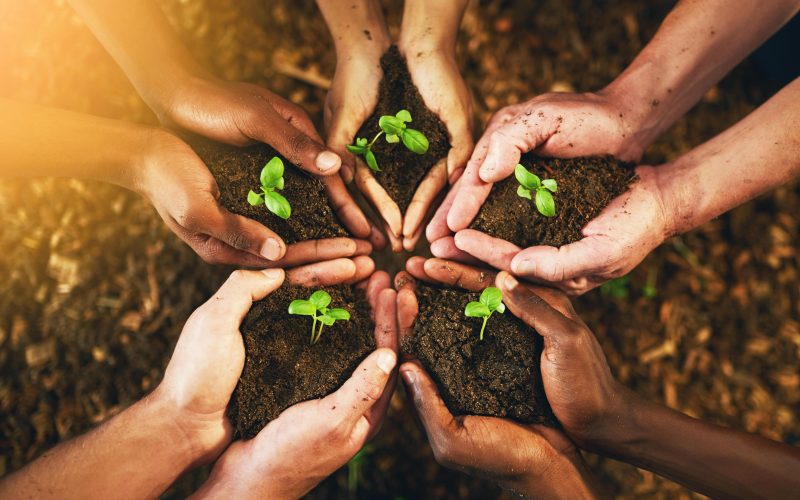
Nature and the environment are fundamental to human life. They sustain air, water, and land that allow living beings to be viable. Forests, wetlands, and other ecosystems in this regard support an exuberant life including human beings.
For the sustainability of a healthier future, people have to sustain these natural resources, without compromising the goals of economic growth. The closer are well-being and nature, the better choices an individual or a community tends to make. Simple acts like cutting back, conserving water, and protecting the environment can make a huge difference. Learn more about how to protect the planet with Kiddie Chronicle.
Understanding the Natural Environment
 Most schools define the natural environment in a context that would underscore the role of infrastructural facilities in the human way of existence. The air people breathe, the water they drink, and the land they live on are essential for human health, socio-communal setup, and living standards. It offers the mental soothing an adult desires after the childlike innocence of life. Clean air reduces the risks of respiratory diseases, and safe water is always crucial for rehydration and hygiene, along with the growth factor of being conscious of primary duties to preserve well-seated natural resources.
Nevertheless, all life forms, from sprawling redwoods to tiny bacteria on the face of the earth and oceans accounting for about 70% of the surface, are very important to bring a sort of equilibrium to the ecosystems. The atmosphere, with its five layers, ensures the continued presence of life and the non-disruption of climate.
Much human interference has resulted in environmental degradation, with climate change heating the earth, and threats including plastic pollution and the loss of biodiversity being threatening to ecosystems. Appreciation for nature and the environment may translate into some kind of communal responsibility.
Natural Environment and Importance
It provides the life chain for innumerable species, encompassing complex ecosystems that sustain life: these include spiritual and cultural values attached to wilderness areas. Ecosystems like the rainforest play a vital role in biodiversity.
Contribution to Human Well-Being
Regular interaction with nature enhances physical and mental health, improves mood, reduces stress, and encourages social connections. Nature also provides clean water, and oxygen, and helps manage organic waste, promoting healthier living conditions.
Role in Climate Regulation
The environment regulates climate by absorbing gases like carbon dioxide. Without conservation efforts, global temperatures may rise significantly, highlighting the importance of protecting ecosystems to combat climate change.
Nature as a Shared Resource
Ecological processes involve the living and non-living components affecting the biosphere. An unequal distribution of these resources can contribute to an imbalance in the environment and society. The sustainable practices of Indigenous Peoples can offer inspiration regarding balancing ecological demands with human demands.
Benefits of Joint Environmental Management
 Joint natural resource management generally promotes healthy ecosystems for the communities involved. A more diverse decision-making group produces favorable outcomes for all and enhances biodiversity.
Challenges in Managing Shared Resources
Making conservation and use of resources that are shared can be very challenging and can lead to conflict among resource users for Access Rights. Understanding inequalities in land ownership and the facilitation of equal sharing is an imperative prerequisite for the successful management of resources.
Protection of Nature
Nature must be preserved for the sake of ecosystem protection on the planet. Natural resource conservation practices include protecting biodiversity, maintaining ecological stability, and minimizing human effects on these resources. Environmental protection may include habitat preservation, source reduction, and promotion of renewable energy. In proportion to greater knowledge, this very world would subsequently learn how to mutually exist in harmony.
Strategies for Conservation and Preservation
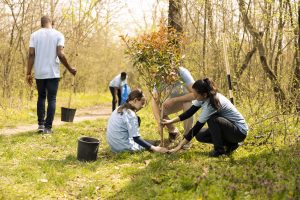 Those who directly protect and enhance nature and the environment get credited. Deforestation, the cutting of forests entirely, is as misleading as that’s often the case. Wetlands are acting at their best as natural filters for the habitat where several different species can thrive. Creating less traffic in sensitive areas and reforestation is necessary for ecological recovery. Overfishing and works coupled with sustainable fishing governed by enforcement would much help restore the approach.
Promoting Sustainable Resource Use
Being responsible for resources goes a long way. Minimal waste, recycling, and purchasing green can aid in the restoration of damaged environment for all. Additionally, buying green products encourages businesses to follow suit in using sustainable practices. By creatively reusing materials, people reduce waste and encourage innovation. This also applies to transport: Coop-riding, biking, and using buses encourage lowering emissions and enhancing air quality.
Awareness is critical to bringing about lasting change within the community. Educating a community about sustainability and pollution encourages it to lead green initiatives. Community composting and recycling workshops are a great idea for promoting green habits. Schools can involve youngsters in resource reuse projects that promote appreciation for nature and motivate protective efforts.
Since humans disturb these circulations and balance quite frequently, today’s target is to protect ecological equilibrium. The entire human collectivities have to protect nature and the environment for the future. From a small act of water conservation to less waste in plastic, every little effort goes towards a larger goal. They celebrate humanity by creating a more sustainable relationship among people, wildlife, and generations to come. Start saving for impactful actions into reality for a better tomorrow by checking on the Kiddie Chronicle.
