

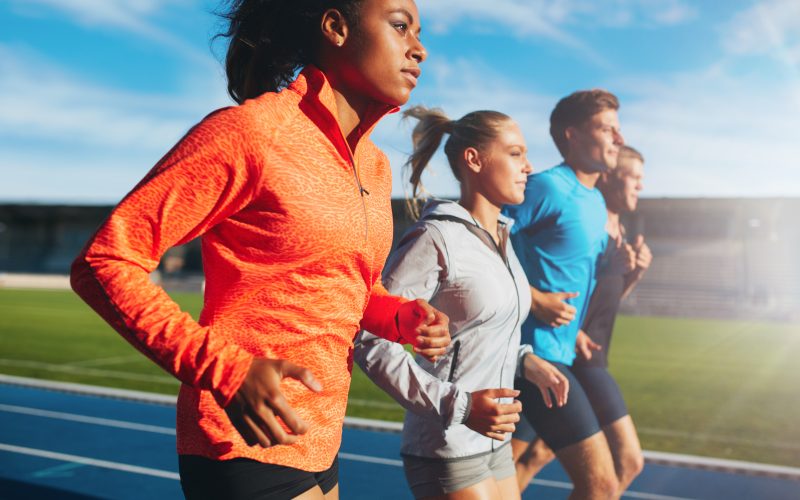
Athlete spotlights provide an intimate look at some of the most inspiring figures in sports, celebrating their achievements, dedication, and incredible stories. These profiles highlight the challenges and victories that define their careers, offering motivation to fans and young athletes.
Exploring personal experiences, these narratives highlight talent and perseverance while showcasing the human side of sports. Each story offers a fresh perspective, drawing readers deeper into the world of athletic excellence. Stay tuned with Kiddie Chronicle for more inspiring journeys and lessons from remarkable athletes.
Understanding Athlete Journeys
An athlete’s journey is shaped through family support, early exposure to sports, and personal values. Serena Williams credits her father for her early tennis success, while LeBron James‘ love for basketball started in youth leagues. Challenges like injuries, mental health, and balancing sports with academics are common, as seen with Naomi Osaka. Socioeconomic factors and cultural representation also influence an athlete’s path.
What Shapes an Athlete’s Story
 The foundation of an athlete’s journey is often built upon family support. The impact can be long-lasting if parents promote good habits and provide adequate resources. Serena Williams acknowledges her father’s hard work as the reason for her early tennis success.
Starting young often sparks future success. Early exposure helps kids build skills and a love for the game. Youth leagues and school teams provide the first steps, as seen with LeBron James, who began playing basketball as a child and grew into one of the sport’s legends.
Community programs also make a difference. Initiatives like after-school leagues create opportunities for kids without access to private coaching, often discovering hidden talent.
Personal values shape an athlete’s path, with integrity and resilience standing out. Simone Biles, for example, excels in gymnastics and champions mental health, leaving a legacy that extends beyond the field or court.
Common Challenges in Athletic Careers
One of the most frequent problems that athletes deal with is injury. In addition to physical rehabilitation, mental toughness, and patience are necessary to overcome strained muscles, torn ligaments, and other comparable setbacks.
Mental health struggles are also a significant issue in sports. The stresses of competition and public scrutiny frequently result in anxiety or depression. Naomi Osaka’s candidness regarding her experiences highlights the significance of prioritizing mental health.
It might be challenging for student-athletes to balance their studies and athletics. Time management and attention are crucial since rigorous schedules offer little time for relationships or personal development.
Socioeconomic factors also shape opportunities in sports. While wealthier athletes can access private coaching and advanced facilities, others depend on scholarships or community programs. Cultural heritage and representation add another layer, with athletes like Yao Ming inspiring others through their achievements and cultural significance.
Overcoming Challenges in Sports
Athletes face challenges like injuries, mental pressure, financial struggles, and media attention. Mina Margraf overcame self-doubt, and Davin Thompson succeeded with steady training. Mental resilience can be developed using methods such as visualization and establishing attainable objectives.
Assistance from coaches, relatives, and teammates is essential, keeping athletes inspired. Transforming obstacles into valuable lessons enables athletes to become more resilient and endure challenging periods.
1. Identifying Key Obstacles Athletes Face
Athletes encounter obstacles such as:
- Injuries that disrupt training and create self-doubt.
- Mental strain from high expectations and intense competition.
- Financial challenges, especially in less profitable sports.
- Media scrutiny adds stress and overshadows personal milestones.
- Limited opportunities due to inequities in gender, race, or socioeconomic status.
For example, gymnast Mina Margraf overcame self-doubt by cultivating self-belief, which improved her performance in events like vault and beam. Similarly, Davin Thompson attributed his success to consistent, uninterrupted training.
2. Strategies for Staying Mentally Resilient
Athletes can build mental toughness through:
- Visualization: Imagining success to overcome mental barriers.
- Mindfulness: Staying present to reduce stress and improve focus.
- Realistic Goals: Setting achievable objectives to maintain motivation.
- Self-Reflection: Reviewing progress to refine strategies.
Seeking professional help when necessary is important. Stories like Mina’s show how mindset shifts can significantly improve performance.
3. Building Support Systems for Success
 Support networks are vital. Coaches teach technical skills, while family and friends provide emotional encouragement. Team camaraderie boosts morale during challenging times, and community support motivates athletes to exceed expectations. Mentorship and intentional networking create additional opportunities.
4. Lessons from Failure and Setbacks
Failures are stepping stones to success. Athletes who view setbacks as learning opportunities grow stronger and more determined. Positive self-talk and a growth mindset help transform obstacles into turning points.
Training and Lifestyle Insights
Discipline is key to athletic success, helping athletes stay focused and consistent. Routines and regular check-ins with a coach help in instilling accountability while promoting patience and work ethic.
Mental and physical fitness are on the same level. Mindfulness and yoga help reduce stress, while proper nutrition and hydration fuel the body. Recovery methods like massage and sleep are important for muscle repair and well-being.
Importance of Discipline in Training
The backbone of athletic success is discipline, helping people be consistent and achieve long-term. Structured routines like scheduled training and check-ins with coaches promote accountability and focus. It is more than sports and involves teaching people patience and instilling a very strong work ethic.
Balancing Physical and Mental Fitness
Both physical wellness and mental wellness are necessary. Mindfulness and visualization help athletes be more ready to handle the stresses of competition.
Yoga and meditation practices give athletes mental resets to be well-rounded.
Nutrition and Performance
Proper nutrition fuels performance. Balanced diets with protein, carbohydrates, and healthy fats support energy and recovery. Hydration is equally critical, as even mild dehydration can affect stamina. Collaborating with nutritionists helps athletes tailor dietary plans to their needs.
Recovery Techniques
Recovery is crucial for peak performance and injury prevention. Massage therapy, physiotherapy, and stretching promote blood flow and muscle relaxation. Quality sleep aids in muscle repair and mental clarity. Listening to the body’s signals prevents overtraining.
Staying Authentic in Competitive Environments
 Athletes face external pressures, but staying true to themselves is key. Setting personal goals and embracing their uniqueness helps them handle criticism and focus on growth.
Self-belief, fueled by positive affirmations and strong mentor relationships, boosts confidence. Many athletes, like Sadio Mané, also find purpose beyond sports through giving back and creating lasting legacies.
Managing External Pressures
Athletes must stay true to themselves amidst media scrutiny and public expectations. Setting personal goals helps them prioritize long-term success over external pressures. Clear communication with sponsors and fans builds trust.
Authenticity also helps athletes navigate criticism. Accepting their unique qualities enables them to redirect energy toward personal growth. Coaches who model authenticity foster inclusive, supportive environments where athletes can thrive.
Cultivating Self-Belief Amid Challenges
Self-belief is essential. Techniques like positive affirmations and celebrating small victories boost confidence. Strong relationships with coaches and mentors encourage, helping athletes to use setbacks as motivation to improve.
Finding Purpose Beyond Sports
Many athletes find fulfillment in giving back to their communities or mentoring future generations. Initiatives like Sadio Mané’s charitable work demonstrate how athletes can create meaningful legacies beyond their sports careers.
Unveiling the Journey: Inspiring Lessons from Exceptional Athletes
Athlete spotlights go beyond the game, offering real-life stories that teach resilience, authenticity, and staying grounded under pressure. These narratives are a source of inspiration for anyone looking to grow and achieve, no matter their path. Explore more remarkable journeys with Kiddie Chronicle and uncover the motivation to chase your dreams.
