

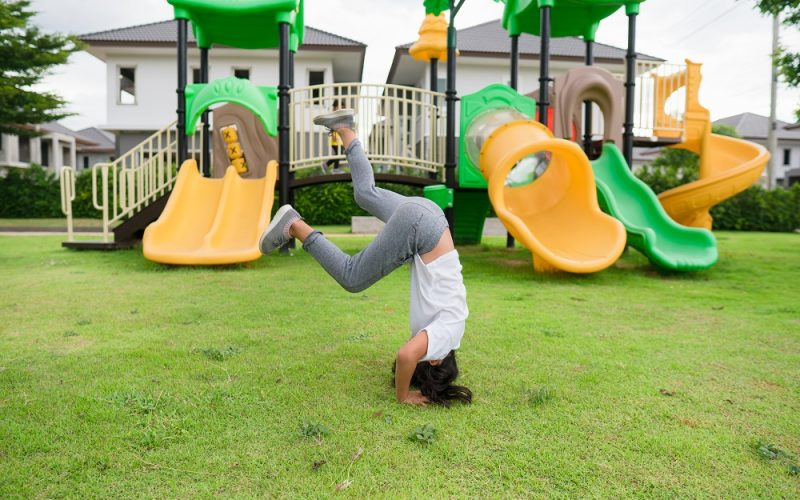
Kids stay active without even thinking about it. Running across a playground, climbing a jungle gym, or jumping rope keeps their bodies moving and their hearts pumping. The best part? It doesn’t feel like exercise—it’s just fun.
According to Kiddie Chronicle, playtime helps kids build strength, coordination, and endurance in a natural way. Games like tag or hopscotch improve balance, while running and jumping support healthy bones and heart function.
Since play is part of their daily routine, movement happens effortlessly, making fitness easy and enjoyable.
Why Playtime Helps Kids Stay Active
Unlike structured workouts, play keeps kids moving in a way that feels natural and fun. It strengthens muscles, improves coordination, and even helps with focus in the classroom. Here’s why play is an effective way to stay healthy.
1. Strengthens Muscles and Builds Endurance
 Running, climbing, and jumping activate different muscle groups, helping kids develop strength and energy. Climbing a jungle gym engages the arms and core, while sprinting in a game of tag increases stamina.
Fast-paced games like freeze tag and relay races get kids moving quickly, improving heart and lung function. Schools that allow regular recess often notice students returning to class more focused and ready to learn.
2. Improves Flexibility and Coordination
Play involves a mix of movement, stretching, and balance. Jumping rope sharpens coordination, while hopscotch or balancing on playground equipment improves body control. These activities make movement more fluid and reduce the chance of injury.
Over time, kids become more agile and confident in their movements. These skills help them in sports, daily activities, and even tasks like writing or drawing, which require fine motor control.
3. Supports Heart and Lung Health
Active games like soccer, tag, or relay races strengthen the heart and lungs. Running, jumping, and climbing improve circulation, helping the body transport oxygen more efficiently.
Staying active from a young age lowers the risk of heart disease later in life. Schools that include daily recess often see students with improved concentration and energy levels throughout the day.
4. Helps Maintain a Healthy Weight
Many kids spend a lot of time sitting—whether at school, doing homework, or using screens. Play helps balance this by keeping them moving. Activities like running around outside, riding bikes, or playing hide-and-seek burn energy while still being fun.
Research shows that kids need at least one hour of physical activity each day to support a healthy weight. Those who develop active habits early are more likely to stay healthy as they grow older.
Why Play Makes Staying Active Fun
Exercise can sometimes feel like work, but play turns movement into something enjoyable. It brings together physical activity, imagination, and social interaction, making fitness a natural part of everyday life.
1. Encourages Movement Through Fun Activities
Playtime keeps kids active because they enjoy it—not because they have to do it. Whether swinging on monkey bars, racing friends, or playing on a seesaw, they use their whole body while having fun.
Simple activities like jumping rope or dancing strengthen the heart and lungs while improving coordination. These movements also help with mobility and lower the risk of developing health issues like obesity or type 2 diabetes.
2. Removes the Pressure of Structured Workouts
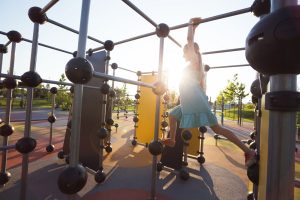
Play gives kids the freedom to be active without the stress of formal exercise routines. Some children may find structured fitness programs overwhelming, but activities like obstacle courses or scavenger hunts make movement feel like an adventure.
This relaxed environment makes staying active more enjoyable while also lowering stress. It allows kids to move at their own pace, making physical activity a positive experience.
3. Encourages Creativity and Social Interaction
Play isn’t just about movement—it also fuels imagination. Whether pretending to be superheroes, building forts, or making up new games, kids develop creative thinking skills while staying active.
Children who engage in imaginative play also strengthen problem-solving skills, teamwork, and leadership abilities. These skills help them not just in school but in everyday life.
Mental and Emotional Benefits of Active Play
Play provides more than just physical exercise—it also supports emotional well-being. It helps reduce stress, improves focus, and builds confidence.
1. Improves Mood and Lowers Stress
Active play releases endorphins, the body’s natural “feel-good” chemicals. Whether climbing, running, or engaging in pretend play, movement helps kids feel happier and more relaxed.
Over the past 20 years, children have lost an average of eight hours of free play per week, leading to higher stress levels. Even a short game of freeze tag can provide an emotional reset, helping kids feel more balanced.
Parents play a role in encouraging active play. When they support movement and unstructured fun, kids feel happier, more connected, and less stressed.
2. Helps with Focus and Problem-Solving
Play helps kids develop thinking and decision-making skills. Whether they’re building structures, solving puzzles, or inventing new games, they learn to think creatively and adapt to different situations.
Unstructured play, where kids create their own rules, teaches patience, self-control, and independence. It also builds confidence as children realize they can solve problems on their own.
Studies show that active play improves focus and supports learning. Kids who engage in regular physical activity often perform better in subjects like math and reading.
How Play Supports Social Development
Play helps kids learn important social skills. It encourages teamwork, communication, and cooperation—all of which are necessary for building friendships and working well with others.
1. Develops Teamwork and Cooperation
 Many games require kids to work together, whether playing tag, building sandcastles, or teaming up for a scavenger hunt. These activities teach sharing, turn-taking, and problem-solving as a group.
In team-based games like kickball, children learn to divide roles, adjust to different strengths, and work toward a common goal. These lessons help them develop flexibility and understanding in different social situations.
2. Strengthens Communication and Friendships
Play naturally encourages kids to talk and express themselves. Whether discussing game rules, role-playing characters, or resolving disagreements, they build communication skills.
Games like hide-and-seek create shared experiences that strengthen friendships. Play also deepens family bonds, offering a way for kids and parents to connect in a relaxed setting.
Encouraging Play for a Healthier Future
Play is more than just a way to pass the time—it’s one of the best ways for kids to stay active and healthy. Running, climbing, jumping, and pretending all support strong bodies and minds without making fitness feel like work.
Beyond the physical benefits, play builds confidence, teamwork, and creativity. Encouraging kids to stay active every day helps them grow into healthier, happier adults.
Let them laugh, explore, and move. Staying fit should be as simple as being a kid.
For more insights on child development, stay informed with Kiddie Chronicle.
