

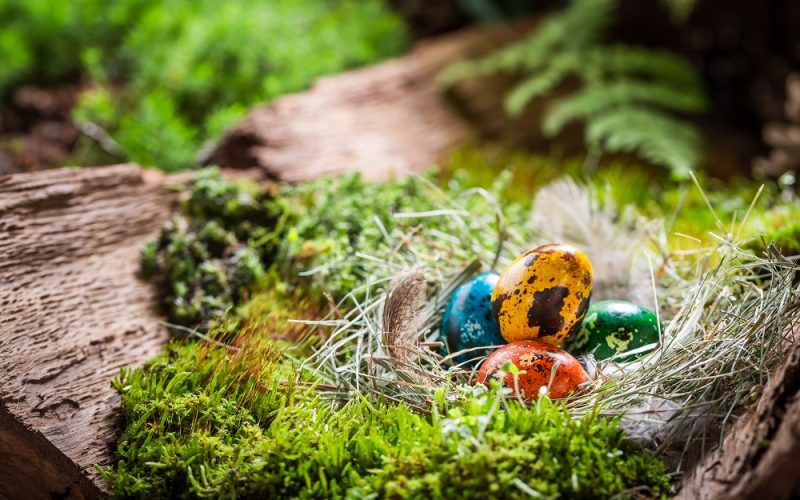
Painting Easter eggs is a cherished tradition that symbolizes renewal and new beginnings. Across different cultures, this practice has taken on unique meanings and methods of celebration. In Poland, intricate designs are created using wax, while in Greece, red-dyed eggs represent the blood of Christ.
These colorful creations go beyond simple artistry—they carry cultural and spiritual importance, connecting people through shared stories and beliefs. By continuing this tradition, we honor our ancestors and pass on its joy and meaning to future generations.
What Is the History of Egg Painting?
The history of egg painting stretches back to ancient civilizations such as Egypt and Persia, where eggs were used to symbolize fertility and new life. Over time, this practice evolved, blending Christian customs with springtime rituals.
Particularly in Eastern Europe, the tradition grew into the vibrant Easter egg designs we recognize today. These decorated eggs embody themes of renewal, rebirth, and the arrival of spring, acting as a unifying symbol for many generations.
Origins in Ancient Traditions

Egg decoration dates back thousands of years. Early societies, including the Persians and Egyptians, incorporated eggs into spring rituals as symbols of fertility and growth. Engraved ostrich eggs from Africa provide evidence of their significance in ancient ceremonies. These early practices laid the foundation for the Easter egg customs celebrated today.
Christian Symbolism and Meaning
As Christianity spread, eggs came to symbolize the resurrection of Jesus. Early Christians in Mesopotamia painted eggs during Easter to celebrate new life. By the Middle Ages, decorated eggs became an important part of Easter festivities. They were often blessed and shared after Lent as a joyful way to mark the end of fasting and the arrival of a new season.
Influence of Spring Festivals
Pagan spring festivals, which honored nature’s renewal, also played a role in shaping Easter traditions. Germanic Ostara celebrations, for example, included painting eggs to welcome spring. These rituals eventually intertwined with Christian practices, enhancing the cultural and spiritual depth of Easter egg customs.
How Do Cultures Decorate Easter Eggs?
The art of decorating Easter eggs varies widely across the globe, reflecting each culture’s unique techniques and meanings.
- Ukraine – Pysanky: Using a wax-resist method, intricate designs are created on eggs, symbolizing fertility, protection, and prosperity. These vibrant works of art highlight Ukrainian culture during Easter.
- Greece – Red Eggs: Known as “Kokkina Avga,” these red eggs represent the resurrection of Christ. They are often used in a game where participants crack eggs together, adding a communal element to the tradition.
- Bulgaria – Natural Dyes: In Bulgaria, natural ingredients like onion skins and beet juice create earthy, beautiful designs. This method celebrates the country’s living heritage and fosters togetherness.
- Romania – Egg Cracking: A special Easter custom in Romania involves cracking painted eggs against one another, symbolizing connections with loved ones beyond the grave. This deeply meaningful tradition remains central to their celebrations.
While the methods differ, these traditions share common themes of renewal, community, and faith, linking generations through the simple act of egg decoration.
What Do Painted Eggs Symbolize?
Decorated eggs carry profound meanings, often symbolizing life, hope, and renewal. For centuries, eggs have represented fresh beginnings, particularly in spring. In ancient societies, they stood for fertility and growth. In Christianity, eggs became a symbol of Jesus Christ’s resurrection and the eternal life that follows. This blending of cultural and spiritual meanings connects people to symbols of hope and progress.
Cultural Importance in Various Regions
Painted eggs hold unique significance in different parts of the world:
 Poland – Easter Baskets: Decorated eggs are included in Easter baskets, which are blessed to strengthen community ties.
- Eastern Christianity – Red Eggs: These eggs are linked to the story of Mary Magdalene, who saw her eggs turn red upon witnessing the risen Christ.
- Romania – Egg Knocking: Egg-knocking games are believed to maintain bonds with ancestors, keeping traditions alive across generations.
Traditional Games and Their Meanings
Egg-related games add layers of meaning to Easter celebrations:
- Romania – Egg Knocking: Represents enduring connections with ancestors.
- United States – Egg Rolling: Symbolizes the rolling away of the stone from Jesus’ tomb, reflecting triumph and renewal.
- Global – Egg Hunts: Celebrate discovery and new life, creating excitement for children while emphasizing themes of hope.
These activities bring people together, fostering connection and joy.
How Has Easter Egg Decoration Evolved?
Modern innovations have added new dimensions to this age-old tradition, inspiring creativity and fun.
- Natural Dye Techniques: Using ingredients like turmeric, spinach, and coffee, people create unique, eco-friendly egg designs.
- Glow-in-the-Dark Eggs: Special paints make eggs glow, adding excitement to nighttime Easter hunts.
- 3D Printed Eggs: Advanced technology allows for custom designs, offering a modern twist on traditional egg decoration.
These fresh ideas breathe new life into the practice, making it accessible and exciting for everyone.
Chocolate Egg Traditions Worldwide
Since the 19th century, chocolate eggs have been a beloved Easter treat. Initially simple and solid, they evolved into hollow creations enjoyed across the globe, from the United Kingdom to Australia. These sweet delights symbolize renewal and joy, connecting cultures through shared celebrations.
Interactive Games with Eggs

Egg-themed games continue to create lasting memories:
- Egg Hunts: Spark excitement and adventure, especially for children.
- Egg Rolling: Reflects themes of resurrection and victory.
- Egg and Spoon Races: Combine skill and fun, offering a playful way to celebrate.
These games bring families and communities together, reinforcing bonds through shared experiences.
The Lasting Appeal of Egg Painting
Egg painting is more than a craft—it’s a bridge between cultures and generations. Whether inspired by traditional methods or modern techniques, decorating Easter eggs offers a way to express creativity and celebrate togetherness. This year, let your imagination take flight as you explore this timeless tradition, ensuring it remains vibrant for years to come.
Stay tuned to Kiddie Chronicle for more delightful insights and stories about traditions that bring families and communities closer. Let’s keep the joy alive, one colorful egg at a time!
