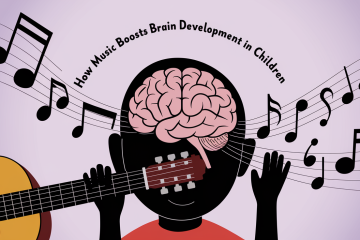


Music plays a vital role in childhood development, helping kids improve cognitive abilities, motor skills, and emotional well-being. Introducing children to music at an early age can foster creativity, discipline, and a lifelong appreciation for the arts. If you’re looking for ways to integrate music into your child’s life, here are 10 creative and practical approaches to get started.
1. Sing to Them from Birth
Even before they can understand words, babies respond to rhythm and melody. Singing lullabies, nursery rhymes, or even your favorite tunes helps introduce your little one to music. It’s a natural way to bond while developing their listening skills.
Don’t worry if you don’t have a professional singing voice—your child will enjoy hearing you because it’s familiar and comforting. Over time, you’ll notice them responding to the melodies, whether by cooing or moving their tiny limbs.
2. Create a Musical Environment at Home
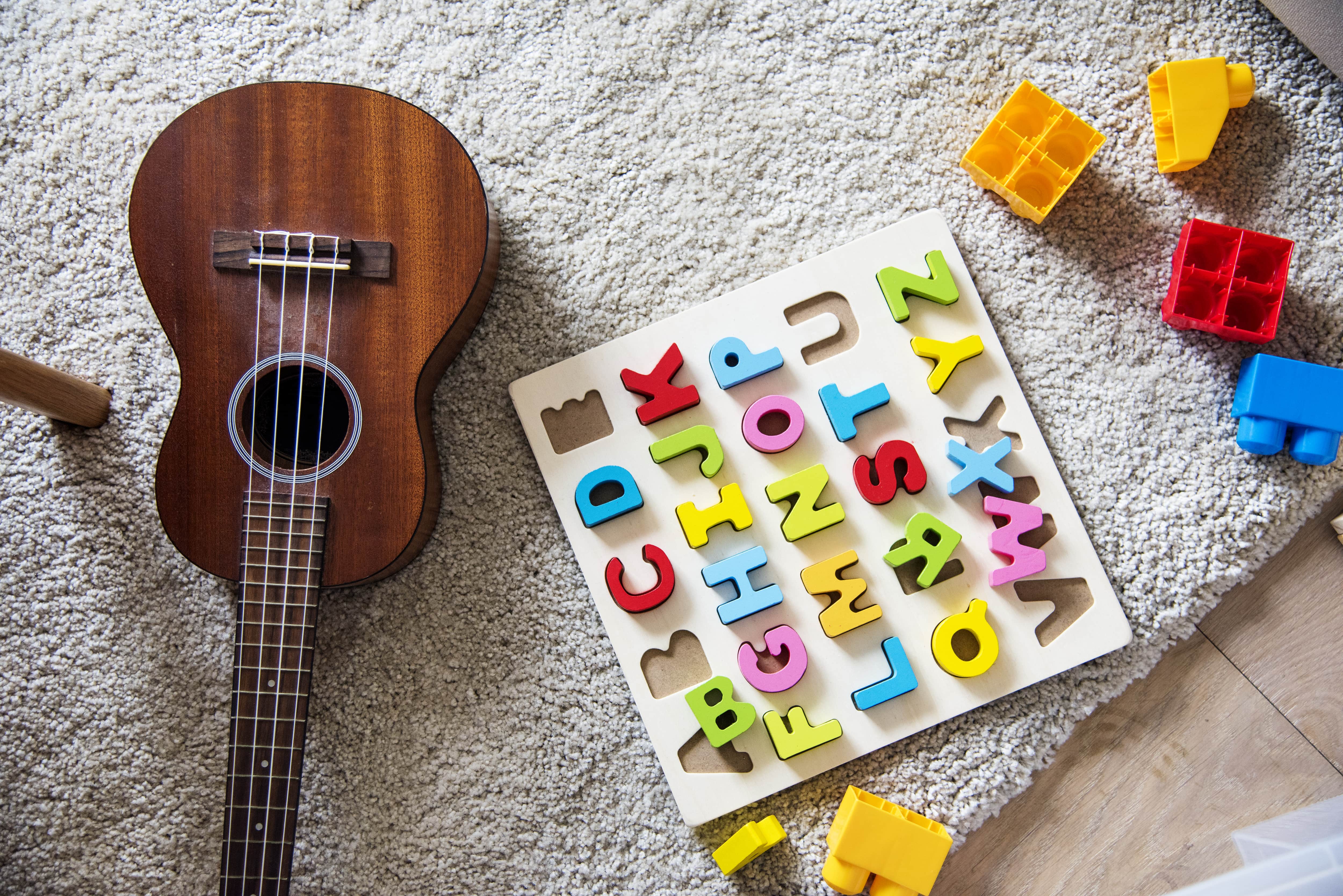 A musically enriched home encourages kids to explore and enjoy sound. Play different types of music during the day to expose them to a variety of genres, from classical and jazz to pop and folk.
You can also set up a mini music corner with simple instruments like tambourines, maracas, and drums. These instruments will allow your child to experiment with sound and rhythm.
3. Dance Together
Dancing is a fun and interactive way to introduce music to your kids. Put on some upbeat tunes and dance around the living room with your child. This encourages movement, improves coordination, and instills an appreciation for rhythm.
Incorporating dance parties into your routine is an easy and enjoyable way to create positive associations with music.
4. Enroll Them in a Music Class
Music classes designed for children are a fantastic way to introduce structured musical experiences. Programs like baby music groups or toddler music classes include singing, instrument play, and rhythmic activities, all tailored to young learners.
The structured environment also helps kids learn teamwork and social interaction skills while fostering their natural curiosity about music.
5. Play Musical Games
Games are a great way to make music fun and interactive. Try activities like:
- Musical Chairs: A classic game that introduces rhythm and timing.
- Freeze Dance: Encourage your kids to dance when the music plays and freeze when it stops.
- Name That Sound: Play a note on an instrument or a sound from nature and ask your child to identify it.
These games keep kids engaged while improving their listening and motor skills.
6. Introduce Musical Storytime
Combine music with storytelling to make both activities more engaging. Choose books that incorporate music, sounds, or rhymes, such as “Pete the Cat” or “If You’re Happy and You Know It”.
Another idea is to use sound effects or simple melodies to accompany the story you’re reading. This multisensory approach captures your child’s attention and fosters a love for music and reading.
7. Encourage Everyday Singing
Turn daily activities into musical adventures by incorporating songs. Sing about brushing teeth, tidying up, or getting dressed. For example:
🎵 “This is the way we brush our teeth, brush our teeth, brush our teeth…” 🎵
These simple tunes make routines enjoyable and help your child associate music with fun and productivity.
8. Watch Age-Appropriate Musical Shows and Videos
Many children’s programs use music as a primary learning tool. Shows like “Sesame Street” and “The Wiggles” teach lessons through catchy songs and rhythms.
Interactive music videos on platforms like YouTube can also introduce your child to music fundamentals. Look for content designed for kids that encourages participation, like clapping or singing along.
9. Introduce Simple Instruments
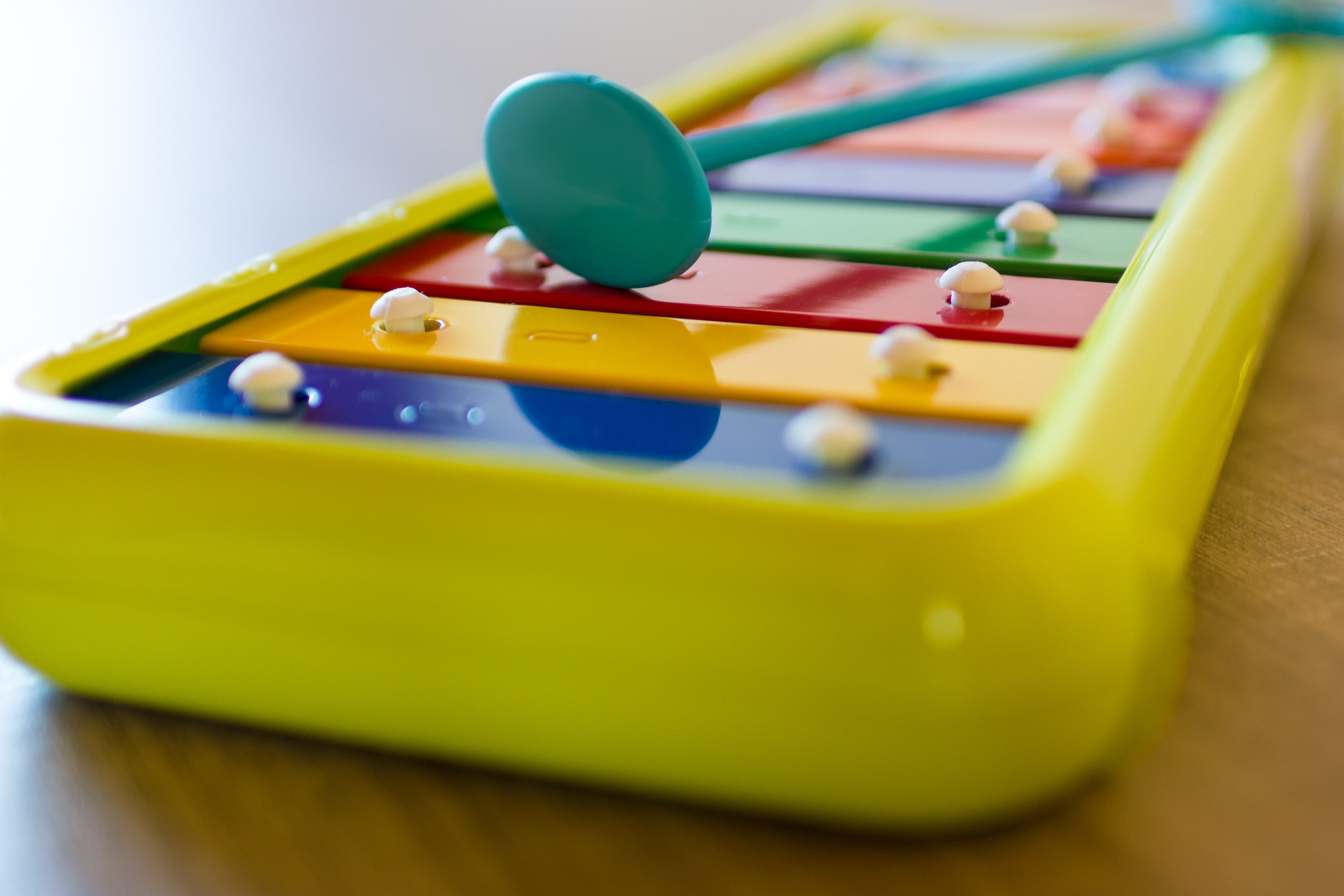 Providing your child with instruments they can explore is a hands-on way to cultivate their musical curiosity. Start with easy-to-use options like:
- Shakers or maracas
- Xylophones
- Harmonica
- Small keyboards
Let them experiment with creating sounds and rhythms. As they grow, you can consider more advanced instruments like a ukulele or violin to encourage skill development.
10. Be a Musical Role Model
Children learn by observing, so let them see you enjoying music. Sing while cooking, hum a tune during car rides, or play an instrument if you have one.
If you’re learning an instrument, share your progress with them. Seeing your enthusiasm will inspire them to engage with music and explore their own interests.
Why Early Exposure to Music Matters
Introducing your kids to music early lays the foundation for many developmental benefits:
- Boosts Brain Development: Music enhances memory, focus, and spatial reasoning skills.
- Encourages Emotional Expression: Songs provide an outlet for feelings and help children learn about emotions.
- Improves Motor Skills: Activities like clapping, dancing, or playing instruments refine hand-eye coordination.
- Builds Confidence: Singing or performing music can help kids feel more self-assured.
- Strengthens Social Skills: Group music activities foster collaboration and communication.
Tips for Making Music Part of Daily Life
- Set a Schedule: Dedicate a few minutes daily to musical activities, such as singing or listening to a song.
- Keep It Playful: Avoid pressure or rigid expectations; let your child explore music at their own pace.
- Celebrate Their Efforts: Whether they sing out of tune or tap a beat, praise their participation to build confidence.
Nurture a Lifelong Love for Music Today!
Music is a universal language that can bring joy and connection to your family. By creating opportunities for your kids to explore sound, rhythm, and melody, you’re giving them a gift that lasts a lifetime.
For more insights, tips, and resources about introducing your kids to music, visit Kiddie Chronicle today!